 LinkedIn
















Food Trends and Ingredients That Will Shape 2026
In 2026, the food industry continues to reinvent itself under the influence of societal changes, health‑driven innovation and evolving consumer expectations. This year, major trends are shaping product formulation and brand strategies. Let’s take a closer look at the movements driving the market: balanced, enjoyable and sustainable eating.
Eating for a Healthy and Active Life
78% of consumers believe that eating well is essential, and 47% say they are concerned about their physical health.
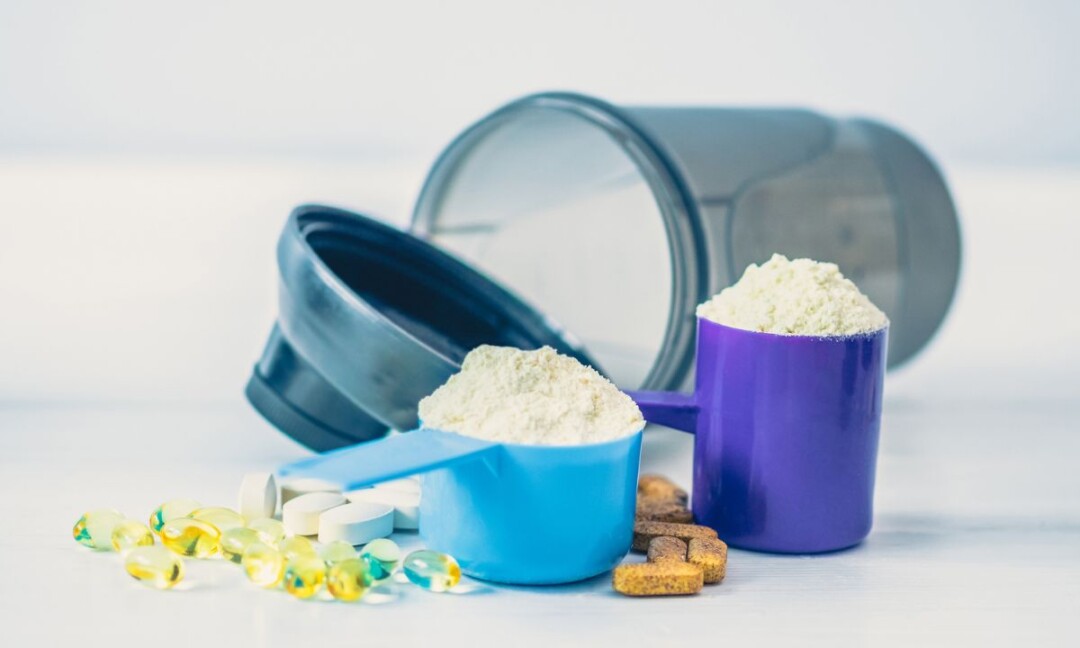
As a result, the sports nutrition market has shifted to focus on mainstream consumers rather than performance‑oriented athletes, with a broader range of formats designed to address diverse needs (recovery, endurance, focus, fatigue, insulin resistance, etc.).
Aligned with this healthy and active lifestyle trend, Lactalis Ingredients presented at the FIE its newest concept product: a high‑protein bar formulated using our rennet casein, acid casein and WPC80.
But when it comes to physical health, the main topic of interest remains weight management, especially with the rise of GLP‑1‑based treatments.
The GLP‑1 Effect: Satiety at the Center of Attention
While the weight‑management product market had been declining, the launch of GLP‑1 treatments such as Ozempic and Wegovy has revived it. These treatments require a significant shift in eating habits: consumers eat less because the medication slows gastric emptying, reduces appetite and decreases cravings for fatty and sugary foods.
In the United States, more than 12% of adults now use these medications, compared with 6% in 2024. [1] This number is expected to rise in the coming year with the approval of oral treatments, less restrictive than injectable versions, which until now were the only option.
The impact on consumers is considerable: they reduce their daily caloric intake by 700 to 1,000 kcal, lowering their food spending by 5.5% within six months of starting treatment. [1]
They favor nutrient‑dense foods, rich in protein to limit muscle loss and enriched with fiber to prolong satiety and support digestive health, ideally in convenient formats. As a result, high‑protein snacks and beverages are multiplying to meet this demand.
Some brands even offer product ranges specifically designed for GLP‑1 users (Ratio Pro‑Fiber) and high‑protein restaurant menus (Chipotle).

Healthy Aging: Aging Well Becomes a Nutritional Priority
Proteins are also gaining traction among consumers interested in “healthy aging,” a major issue in 2026 that further strengthens the demand for protein‑enriched products to combat muscle loss.
73% of consumers consider healthy aging to be extremely important. [2]
At the same time, messaging is evolving: beyond “aging well,” brands now increasingly emphasize longevity and maintaining good health throughout life. With life expectancy rising, consumers are becoming more proactive and investing today in their long‑term well‑being.
Demographic shifts reinforce this trend: according to the World Health Organization, the population aged 60+ will increase from 1 billion in 2020 to 1.4 billion in 2030, and will double by 2050. Nearly 30% of seniors are affected by sarcopenia, for which prevention relies on a diet rich in high‑quality proteins.
This reality explains the rise of “healthy aging” products that combine complete proteins, including dairy proteins, calcium, vitamin D and functional ingredients such as collagen or probiotics.
Ready‑to‑drink beverages, instant powders and convenient protein snacks are increasingly emerging, offering both nutritional effectiveness and ease of use as consumers place greater emphasis on preventive health.
Fiber: the New Star Ingredient
Proteins aren’t the only standout ingredient: fiber is also a major trend in 2026. Known as “fiber‑maxxing”, this movement is especially popular among Gen Z. It responds to two key expectations: digestive health and appetite control.
Products combining proteins and fiber are expected to multiply, especially in functional bars and beverages, again aligned with weight‑management goals.
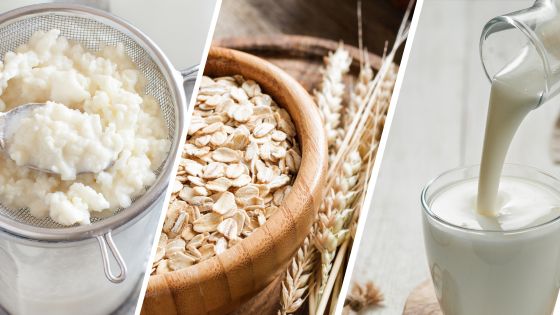
Fiber is also linked to the ongoing “gut health” trend: 59% of consumers consider digestive health a priority. [3] Prebiotics, probiotics and postbiotics appeal for both their health benefits and their indulgent dimension. Fermented foods such as kefir or drinkable skyr are becoming long‑term staples on shelves. [4,5]
This momentum is accompanied by a search for sensory diversity: consumers want products that support digestion and deliver great taste and innovation.
Personalization, Pleasure and Convenience: Formats Adapted to Modern Lifestyles
75% of consumers seek personalized nutrition products and services. They expect solutions tailored to their specific needs, whether sports performance, weight control or digestive well‑being, while fitting seamlessly into fast‑paced lifestyles through convenient formats (ready‑to‑drink beverages, single‑serve portions, sticks, etc.).
61% of global consumers rely heavily on products and services that save them time. [6]
However, well‑being cannot come at the expense of pleasure. Consumers want products that combine taste, texture and health benefits in easy‑to‑use formats. This is driving sensory innovation: creamy textures, indulgent flavors.
Nutrition is increasingly integrated into daily routines without creating new habits or consumption moments.
Health Embedded in Everyday Routines
In 2026, consumers no longer want to add extra rituals to their day: they prefer to integrate nutrition choices into existing habits. Healthy eating naturally fits into familiar everyday moments such as morning coffee, hydration throughout the day or snacking breaks, now transformed into opportunities to enhance nutritional intake effortlessly.
This evolution is driving the rise of three rapidly expanding categories.
First, protein‑enriched coffees, which offer an easy way to increase daily protein intake.
Next, protein waters, light and functional hydration beverages that appeal for their convenience and refreshing profile.
Finally, the growth of “better‑for‑you” snacking—including cereals, chips, biscuits and other everyday products enriched with protein—reflects consumers’ desire to combine enjoyment, nutritional efficiency and familiar habits.
This integration of health into everyday routines does not come at the expense of quality expectations. On the contrary, the more consumers incorporate functional products into their daily lives, the more demanding they become regarding ingredient composition and transparency.
Naturalness and Clean Label: Transparency Becomes the Standard
63% of global consumers say that natural ingredients are a key purchase criterion. [7]
Consumers favor simple, traceable and minimally processed ingredients. Nearly half say they buy more unprocessed foods, and 30% reduce their consumption of ultra‑processed products.
“Additive‑free” and “clean label” mentions are now essential, especially in snacking and dessert categories. [8]
This demand for transparency supports responsible sourcing and products with shorter ingredient lists and natural origins.
Sustainability expectations remain strong: traceability, reduced carbon footprint and regenerative agriculture are key differentiators for food companies.
Conclusion
In 2026, food choices are becoming more meaningful and functional. Consumers are increasingly focused on satiety, gut health, healthy aging and transparency, while still seeking convenient and enjoyable products. Whether the goal is weight management, muscle maintenance, microbiome support or simply improving everyday nutrition, proteins are emerging as the key ingredient that meets multiple expectations. [1,2,9]
In this context, protein demand continues to accelerate, driven by diverse applications and the growing integration of functional nutrition into daily routines. Protein is becoming a powerful innovation lever for brands, valued for its nutritional benefits and its adaptability to new formats and consumption moments.
At Lactalis Ingredients, we support this transformation with innovative dairy solutions designed to combine nutritional quality, naturalness and adaptability to new market expectations.
A question ? Contact-us !
Sources:
[1] Healio – 2026 health trends: GLP‑1s, wearables, Food as Medicine (janvier 2026)
[2] Innova – Health & Nutrition Survey 2025
[3] Innova – Trends Survey 2025
[4] EatingWell – Top 10 Food & Nutrition Trends for 2026 (janvier 2026)
https://www.eatingwell.com/food-health-trends-2026-11882515
[5] Nutrition Insight – Gut Health Hub: Innova Market Insights’ top F&B trend for 2026 (octobre 2025)