 LinkedIn














Circular Economy at the Service of Nutrition: Valorizing Whey into High-Performance Ingredients
For decades, whey was perceived as a simple aqueous residue of cheese-making. Today, this “co-product” is at the heart of an industrial and nutritional revolution. In a world where the demand for high-quality proteins is skyrocketing, the circular economy is transforming what was once discarded into a strategic resource. At Lactalis Ingredients, this transition is not just an ecological imperative; it is a driver of technological innovation.
Understanding the Circular Economy in the Dairy Sector
The circular economy aims to minimize waste and make the most of resources. In the dairy industry, this involves reusing co-products to reduce environmental impact and create added value. Whey, rich in proteins and nutrients, is an ideal candidate for this sustainable approach.
The Nutritional Potential of Whey Co-products
Whey is a true goldmine of nutritional benefits:
- Proteins: Essential for muscle building and recovery.
- Lactose: Provides energy and supports digestive health.
- Minerals: Contribute to bone health and general well-being.
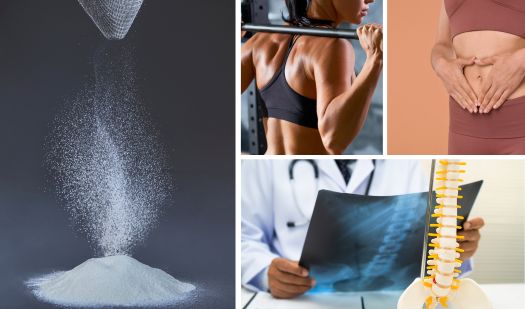
By processing whey, we can extract these components, turning what could be waste into valuable ingredients for the food and nutrition sectors.
A Structural Transformation of the Global Dairy Economy
As highlighted by a recent Dairy Reporter analysis (2026), whey no longer defines its value solely in relation to cheese but as a category in its own right, reshaping the global dairy economy. The ability to extract specific components from whey has transformed plant profitability and the global nutritional offering. [1]
Lactalis Ingredients’ philosophy aligns with this dynamic; our mission being “to transform and valorize milk into a wide range of ingredients to meet the challenges of healthy nutrition, accessible to all.”
Technological Excellence: From Filtration to Crystallization
Transforming whey into high-value ingredients relies on perfect mastery of separation and drying technologies.
- Membrane Fractionation: Through ultrafiltration, we isolate whey proteins (WPC/WPI) to obtain highly concentrated powders, essential for human nutrition.
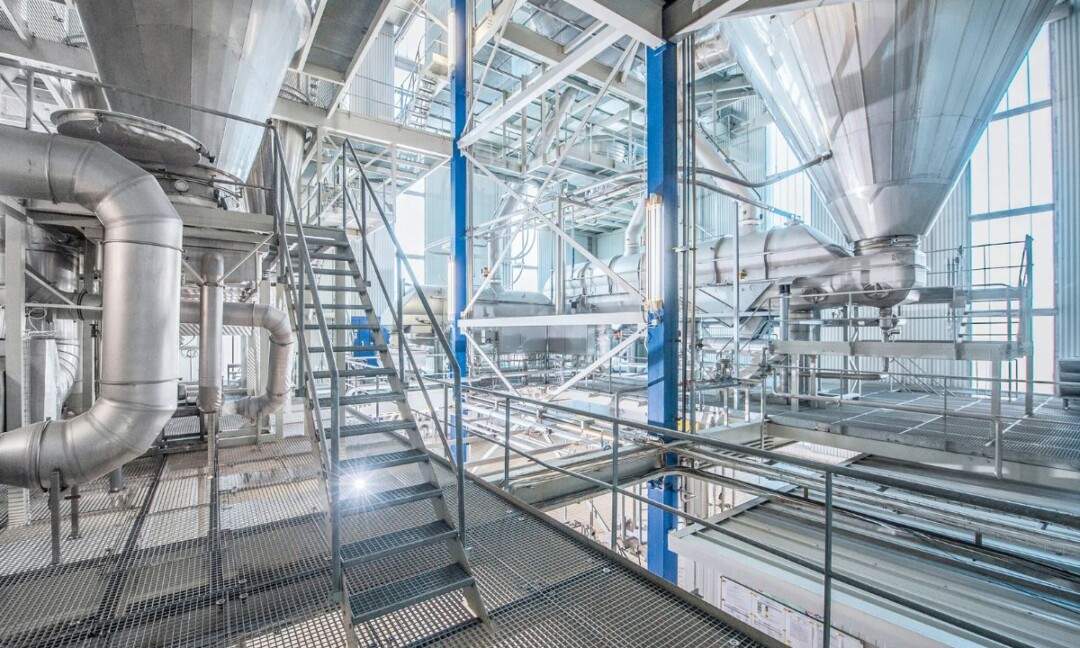
- Flowhey® Technology: For standard whey powders, Lactalis Ingredients has invested heavily (notably at the Verdun site) in the Flowhey® drying tower. This investment optimizes lactose crystallization, preventing powder caking while reducing the overall carbon footprint of the process. A major advantage of this technology is also ensuring better preservation of the finished product: Flowhey® guarantees consistent quality and an extended shelf-life, even under demanding storage or export conditions.
- Water Management: The circular economy also applies to natural resources. Water extracted from whey during concentration (Milk Matter Concentration Water – MMCW) is increasingly reused for cleaning facilities and rinsing lactose crystals, thereby limiting our withdrawal from local resources.
High-Value Ingredients for Every Stage of Life
By valorizing whey, we produce ingredients that meet specific physiological needs:
- Sports Nutrition: Whey protein concentrates (WPC) offer exceptional bioavailability of branched-chain amino acids (BCAAs), essential for muscle recovery.
- Infant Nutrition: Specialty lactose and demineralized whey are pillars of infant formula, closely matching the composition of breast milk.
- Health and Seniors: Clinical nutrition uses whey proteins to combat sarcopenia (muscle loss) in the elderly, a major public health challenge.

Beyond nutrition, whey is a valuable ally for the food industry thanks to its functional properties:
- Bakery and Pastry: Enhancement of texture and the Maillard reaction for perfect product browning.
- Chocolate and Confectionery: Whey products, as sources of dairy solids, allow for recipe cost optimization.
- Dairy Products and Beverages: Whey products enable the formulation of more cost-effective products. This is particularly true for our Flowhey® sweet whey powders. They are perfectly suited for the production of sweetened condensed or evaporated milk. Their heat stability helps prevent the risk of in-line gelation.
A Sustainable Commitment: The Example of Verdun
Circularity does not stop at the product; it encompasses the energy required for its manufacture. In Verdun, one of our main whey processing sites, the Lactosol solar thermal power plant now reduces the site’s gas consumption by 7%, avoiding the emission of 2,000 tons of CO2 per year. This proves that the production of nutritional ingredients can go hand-in-hand with decarbonization.
Conclusion
Whey valorization is the perfect example of a successful circular economy: it converts an environmental challenge into a nutritional opportunity. Lactalis Ingredients continues to invest in dairy science so that every drop of whey contributes to a healthier and more sustainable diet worldwide.
A question ? Contact-us !
Sources:
[1] Dairy Reporter (2026). How whey protein is reshaping the global dairy economy.