 LinkedIn












Water Consumption at Lactalis Ingredients: Issues, Challenges and Solutions
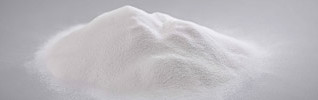
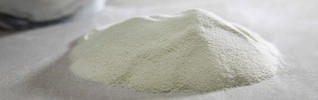
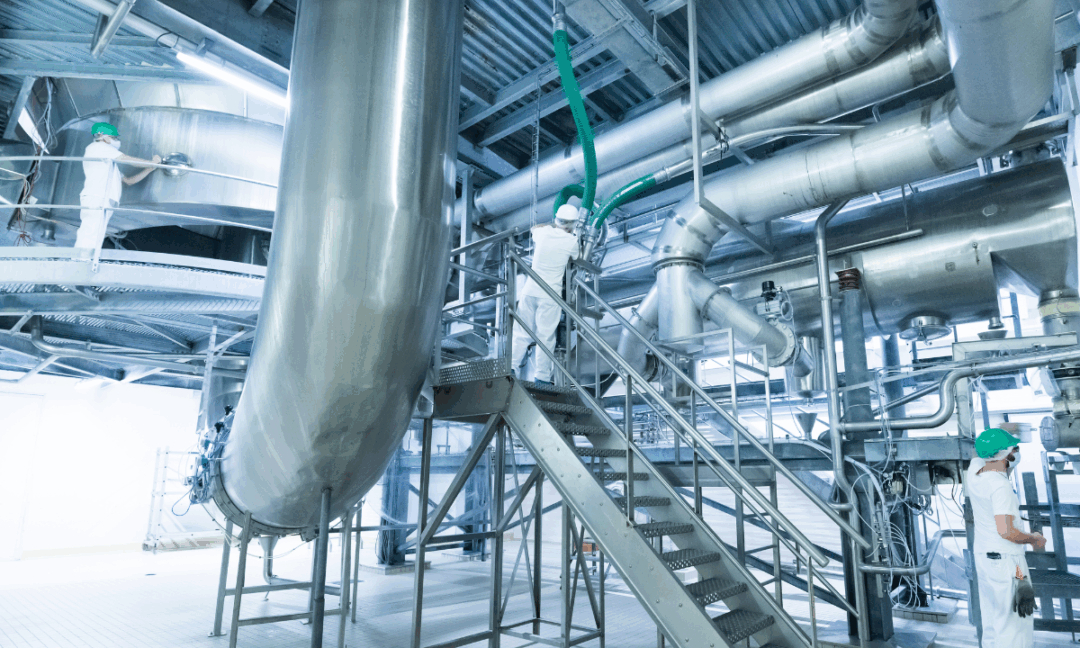
Water lies at the heart of Lactalis Ingredients’ industrial activities. As in the entire dairy ingredients sector, converting liquid milk into powdered ingredients requires evaporating significant amounts of water. Approximately 90% of the water originally contained in milk is evaporated—whether producing milk powder, whey powder, proteins, lactose or permeate.
We organized an exclusive Q&A session with Maeva Croué, CSR Coordinator at Lactalis Ingredients. Below is the interview highlighting our approach to water management.
Meeting the expert : Maeva Croue
What is your assessment of freshwater scarcity in certain regions of the world? What are the impacts on your industrial activities?
Given the global decline in available freshwater, it is our responsibility to reduce our water footprint by limiting withdrawals from natural environments, while ensuring the quality of the water we discharge. Our environmental strategy aims to safeguard the long‑term viability of our operations while continuing to deliver high‑quality ingredients.
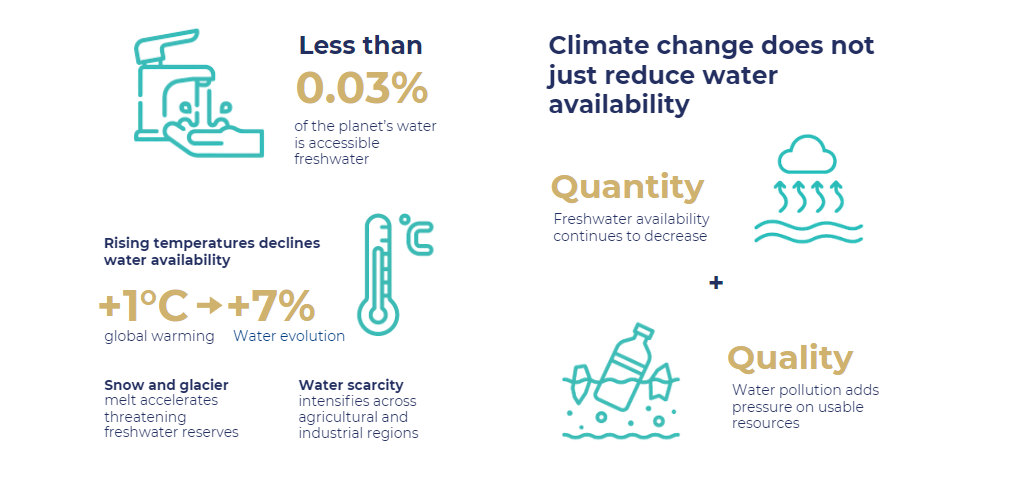
Water has become a critical resource for industries. Pressure on water supplies is increasing because of human activity and climate change :
- Only 0.02% of the planet’s water is truly accessible for human use [1]
- Climate change intensifies evaporation: for example, a 1°C rise in global temperature increases evaporation by 7% [2]
- Decreasing water availability often goes hand in hand with declining water quality due to increased pollutant discharge
For a company like Lactalis Ingredients, whose sites may face water stress—particularly during summer, this context requires a profound transformation of our practices.
Which stages of the process consume the most water?
« Our core business is transforming liquid milk into powder. This process involves removing nearly 90% of the water naturally present in the product.»
Water is essential for producing dairy ingredients and plays a central role in several industrial processes used to concentrate and dry milk or whey :
- Concentration
- Evaporation
- Drying
- Crystallization
- Cleaning of production lines
- Equipment cooling
- Purification, depending on product ranges
By converting milk into powdered dairy ingredients, 90% of the naturally present water is evaporated. On average: 1 kg of milk powder requires evaporating 9 liters of water.
« Water is our challenge… but also our solution. When we produce milk powder, we remove 90% of the water. But we don’t discard it, we recover and reuse it. Our overall objective is to reduce our water withdrawals by 10% by 2026 compared to 2019. »
Extract for the Interview of Maeva CROUE – CSR manager at Lactalis Ingredients
What actions have you implemented to reduce water consumption?
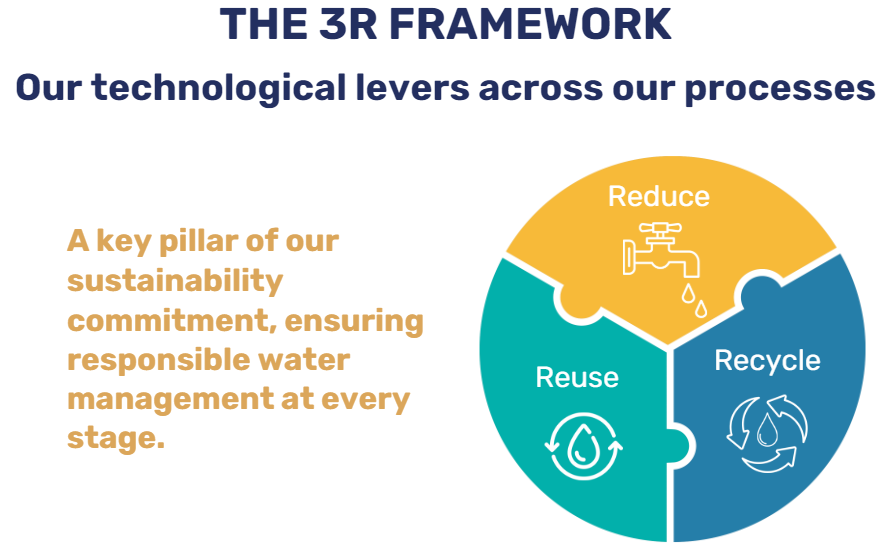
Reducing our water footprint is based on three pillars, all aimed at decreasing the amount of water withdrawn from the environment:
1 – REDUCE: Optimizing processes and limiting withdrawals
The first pillar is to reduce our water needs by optimizing production and cleaning processes. This reduction directly decreases withdrawals from the environment (groundwater, municipal supply).
To achieve this, we focus on :
- Mapping all water-consuming operations to target improvements effectively
- Optimizing cleaning cycles, for example through conductivity control
- Implementing new washing technologies that reduce water use without compromising hygiene
2 – REUSE: Recovering water from industrial processes
Another priority is recovering water generated during industrial processes—such as water from evaporators and membrane concentrators. This recovered water can then be reused for:
- Boiler cooling
- Lactose crystal rinsing
- Membrane washing
- Supplying specific internal processes
These waters, commonly called ECML (water derived from milk concentration processes), represent a major resource for Lactalis Ingredients.
3 – REUT (Re-use of Treated Wastewater): Valorizing treated effluents
Recycling treated wastewater from our onsite treatment plants is the third pillar. After specific treatment, this water is used during critical periods—especially when water is scarce—to cool air‑cooling towers at our industrial sites.
Could you share concrete examples of results?
The Retiers site is one of Lactalis Ingredients’ main dairy ingredient production facilities. It produces several ingredients including milk powder, protein concentrates and lactose. Over recent years, numerous initiatives have been implemented to optimize water management. Today, the first measurable results are visible:
- 100 000 m³ of water saved per year between 2022 and 2025, including :
-
- 60,000 m³ from reduction initiatives
- 40,000 m³ from recycling and reuse
- A 43% reduction in municipal water withdrawals, along with a 12% reduction in groundwater withdrawals
- Improved quality of discharged water thanks to better management of COD (Chemical Oxygen Demand), while also reducing total discharge volumes
These results strengthen our company’s resilience to water stress and support a more responsible long‑term strategy.
What indicators do you use to evaluate your water management performance?
We monitor our water footprint through both quantitative and qualitative indicators, including:
- Volume of water withdrawn per ton of product
- Volume of water discharged into natural environments
- COD levels at the inlet and outlet of treatment plants
COD monitoring helps ensure the quality of water discharged into the environment.
In a few words
Our approach to water consists of monitoring consumption, implementing appropriate technical solutions, and leveraging various water reuse opportunities. Collectively, these actions help adjust and optimize water use depending on industrial contexts.
Lactalis Ingredients is evolving its water management practices to adapt to the specific needs associated with each ingredient category. While production processes may differ across product types, several tools and technologies can be deployed throughout our entire value chain.
A question ? Contact-us !
Sources:
[1] https://www.usgs.gov/water-science-school/science/where-earths-water
[2] Relation de Clausius Clapeyron – reprise dans le rapport du GIEC et l’IPCC : https://archive.ipcc.ch/publications_and_data/ar4/wg1/en/faq-3-2.html